Linkurile „Vezi oferta” sunt linkuri de afiliere sau linkuri plătite: dacă intri sau cumperi, magazinul ne plătește, iar prețul pentru tine rămâne același. Ofertele sunt ordonate după stoc și preț, la fel pentru toate magazinele, inclusiv cele care plătesc pentru vizite. „Înainte” e prețul declarat de magazin, nu o măsurătoare a noastră.
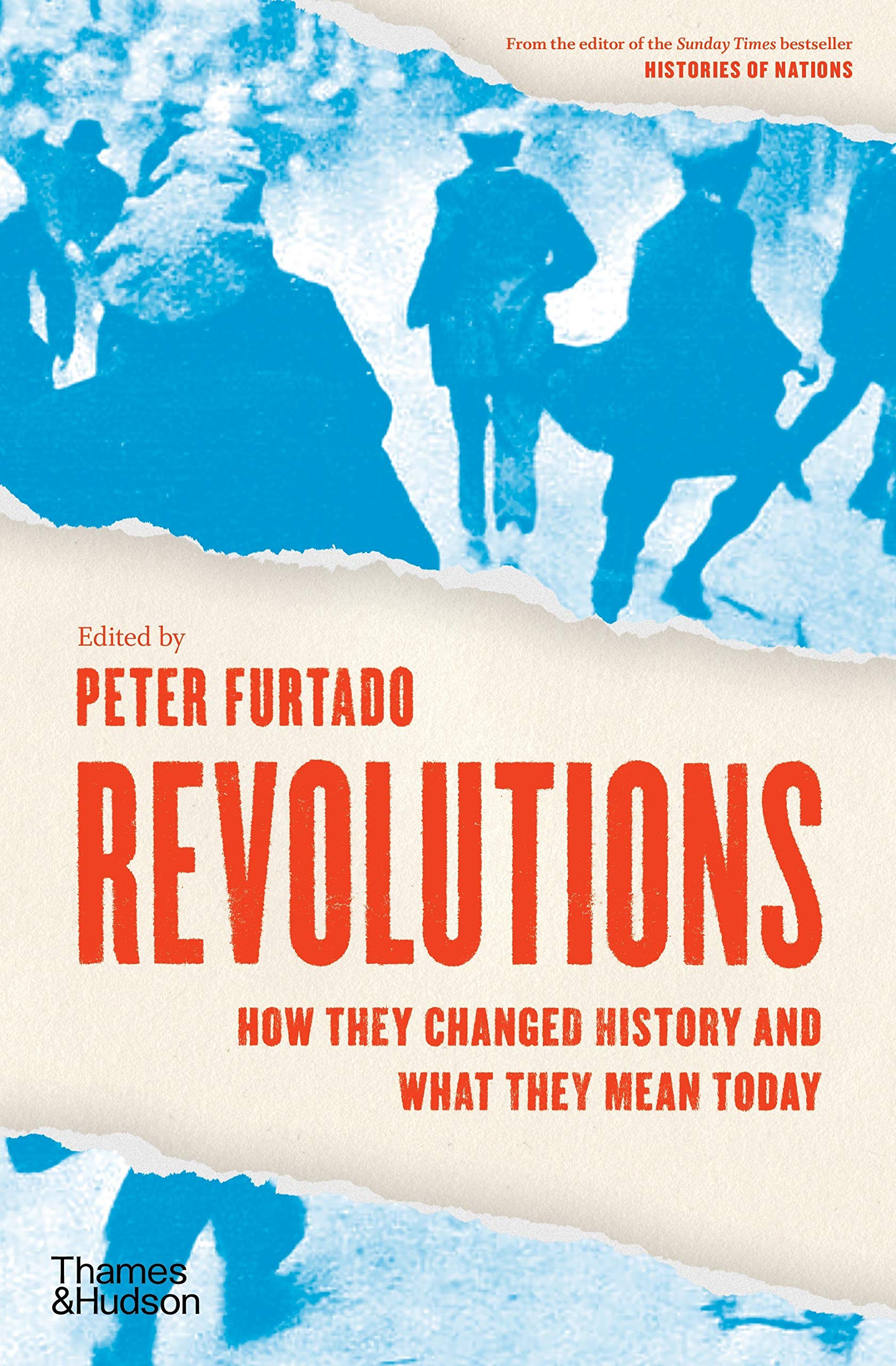
Revolutions hold a distinct place in the popular imagination. This may be because their rhetoric, such as ‘liberty, fraternity, equality’, articulates aspirations with which we identify; or because we are shocked by the destructive forces unleashed when social conventions break down. Yet each revolution is unique – a product of its time, its society, its people – and the outcomes vary dramatically, from liberal reform to cruel dictatorship.Twenty-four leading historians, each writing about their country of origin, consider revolutions from England’s Glorious Revolution of 1688 to the Arab Spring of 2011, reflecting not only on their causes, crises and outcomes, but also their long-term legacies and their changing, sometimes contested, meanings today. They reflect on key questions, such as: What were the reasons for the revolution? What were the main events and dominant ideologies, and who were the leading protagonists? How is it considered today and what is its ideological legacy?Whether as inspiration or warning, the legacies of these revolutions are not only important to those interested in protest, political change and the power of the people but also impact on virtually every one of us today.The English Revolution 1642–89: Simon JenkinsThe American Revolution 1776–88: Ray RaphaelThe French Revolution 1789–99: Sophie WahnichThe Haitian Revolution 1791–1804: Bayyinah BelloThe Year of Revolutions 1848: Axel KornerJapan: The Meiji Restoration 1867: Shin KawashimaThe Young Turk Revolution 1908: Mehmed Sukru HaniogluThe Mexican Revolution 1910–17: Javier GarciadiegoThe Irish Revolution 1913–23: Diarmaid FerriterRussia: The Bolshevik Revolution 1917: Dina KhapaevaThe Indian Revolution 1919–47: Mihir BoseThe Vietnamese Revolution 1945: Stein TønnessonChina’s Communist Revolution 1949–76: Mobo GaoThe Cuban Revolution 1959–2000: Luis Martinez FernandezThe Student Revolution 1968: Stephen BarnesPortugal: The Carnation Revolution 1974: Filipe Ribeiro de MenesesCambodia: The Khmer Rouge Revolution 1975–79: Sorpong PeouThe Iranian Revolution 1979: Homa KatouzianNicaragua: The Sandinista Revolution 1979–1990: Mateo JarquinPoland: The Solidarity Revolution 1981–89: Anita PrazmowskaEastern Europe 1989: Vladimir Tismaneanu and Andres GarciaSouth Africa: The End of Apartheid 1990–1994: Thula SimpsonUkraine: The Orange Revolution 2004: Yaroslav Hrytsak
Site-ul e gratuit datorită reclamelor. Te rugăm să oprești blocarea reclamelor pentru acest site și să reîncarci pagina. Mulțumim!
Cum o opresc pentru acest site?
uBlock Origin, AdBlock, Adblock Plus: apasă iconița extensiei (lângă bara de adrese) și oprește-o pentru acest site.
Brave: apasă iconița cu leul din bara de adrese și oprește „Shields” pentru acest site.
Opera: apasă scutul din bara de adrese și oprește blocarea reclamelor pe acest site.
Samsung Internet: Meniu › Blocare reclame și oprește-o pentru acest site.
Safari pe iPhone: apasă „aA” în bara de adrese › Dezactivează blocarea conținutului.
Cookie-uri
Folosim cookie-uri necesare ca site-ul să funcționeze. Cu acordul tău folosim și cookie-uri pentru statistici și pentru recomandări și reclame. Poți schimba oricând alegerea din „Setări cookie-uri”, jos în pagină. Detalii
 87,00 lei
 87,00 lei
 87,00 lei
 87,00 lei
 87,00 lei
 87,00 lei